
ADJUSTABLE BALLOON
Lose 30-60% of excess body weight with Adjustable Gastric Balloon Kenya
An adjustable gastric balloon is a non-surgical weight-loss option that can help patients lose about 30–60% of their excess body weight.
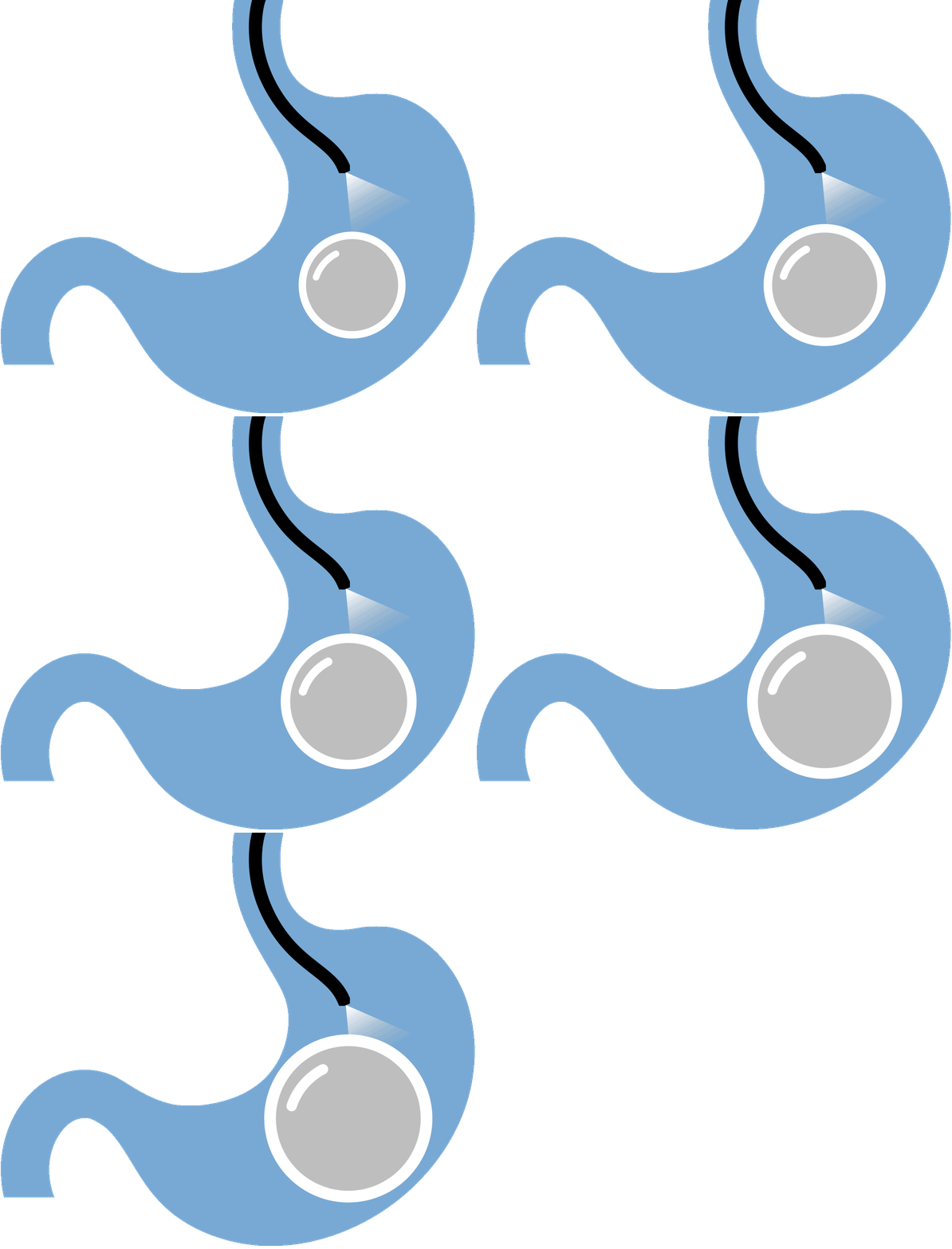
A soft balloon is placed in the stomach through the mouth using a thin tube called an endoscope, so no surgery or cuts are needed. Once inside, it is filled with saline fluid to expand and take up space, helping a person feel full faster and eat smaller portions, which supports weight loss.
What makes it adjustable is that doctors can increase or decrease the balloon’s size during treatment depending on a patient’s weight-loss progress. This can be done without surgery, helping improve comfort and results over time.
- 15-20 Minutes procedure
- Non-surgical procedure
- For BMI over 30
- Balloon adjustments over time based on weight loss target

A key advantage is that the balloon can be adjusted during treatment to improve comfort or boost weight loss, making it flexible and personalized.
This allows the program to be tailored to your body and weight-loss goals — all without surgery.

Table of Contents
Benefits
- Less invasive than surgical procedures like
- Gastric bypass or Sleeve gastrectomy
- Promotes significant weight loss with lifestyle modifications
Disadvantages
- Potential for side effects, such as nausea, vomiting and reflux
- Requires lifestyle changes for sustained results
Side effects
only first few days after the procedure- Nausea and vomiting (30-50%)
- Abdominal discomfort or pain (20-30%)
- Gastroesophageal reflux (10-20%)
- Gastric ulcers (5-10%)
Complications
- Balloon migration or deflation (< 1%)
- Gastric perforation (< 1%)
- Bowel obstruction (< 1%)
- Pancreatitis (< 1%)
How does it Work?
The adjustable intragastric balloon procedure involves inserting a deflated balloon into the stomach through endoscopy.
Once inside, the balloon is filled with saline solution, expanding to occupy space and create a feeling of fullness.
The volume of the balloon can be adjusted periodically to optimize weight loss. After several months, the balloon is removed through endoscopy.
A 15-20 minutes Procedure
Initiate Your Weight Loss Journey by Experiencing a Sense of Fullness

B Intra-Procedure Steps

A Pre-Procedure Steps

C Post-Procedure Steps
What are the risks of an Adjustable Balloon?
While Adjustable Balloon procedures are generally considered safer and less invasive than traditional surgical weight loss interventions, they still carry some risks and potential side effects. It's crucial to discuss these risks thoroughly with your healthcare provider before deciding to undergo the procedure. Here are some potential risks associated with adjustable gastric balloon procedures:

Patients may experience nausea and vomiting, especially in the initial days after the balloon placement.
Some individuals may feel abdominal discomfort or pain after the procedure, which can vary in intensity.
The balloon's presence in the stomach poses a risk of developing gastric ulcers, a potential complication.
Although rare, there is a risk of balloon deflation or rupture, which could lead to complications.
A serious complication can occur if the balloon causes a rare perforation in the gastrointestinal tract.
Rarely, the balloon may induce gastrointestinal tract perforation, a severe complication warranting immediate attention and intervention.
Infections related to the placement of the balloon or in the digestive tract may occur.
Some individuals may be allergic to the materials used in the balloon or the procedure itself.


THE TWELVE MONTHS PROGRAM
12 MONTHS
The Balloon Procedure
The Connected Scale, Health Tracker & App
All Specialist Consultation ~ 50 Visits
All Lab ~ 25 full body tests & Imaging ~ 3 tests
All Pre & Post Procedure Medication
Skin Contouring
Colon Hydrotherapy
FREE Support Beyond 12 Months
FAQs
On average, patients lose up to 15% of their total body weight.
An adjustable gastric balloon is placed into the stomach through the mouth using a thin, flexible endoscope, so no surgical incision is required. The patient is first given sedation for comfort, then the deflated balloon is gently guided through the mouth, throat, and esophagus into the stomach. Once correctly positioned, the doctor fills the balloon with fluid until it reaches the desired size. The balloon remains inside the stomach and takes up space, helping the patient feel full sooner and eat smaller portions. Because it is adjustable, its volume can later be increased or decreased by the doctor according to the patient's progress and tolerance.
It is filled with 450-500 mls of normal saline(sterile water)
Most people can return to normal activity within a day or two. However, some people do experience nausea, abdominal cramping, and, occasionally, vomiting after balloon placement. In most cases, your doctor can prescribe commonly used medication to help manage these symptoms.
There are some specific dietary recommendations before placement and during the 1st week after placement as you adapt to the balloon. Your nutritionist will guide you during the Program. You do not need to make huge changes to eat healthier all at once, it’s best to set small goals and change your habits gradually. Over time, small changes will make a big difference in your health and will help you maintain your weight loss.
No, the balloon is made using Silicon which is very durable. In fact, we advocate for physical fitness. However extreme sports such as bungee jumping are contraindicated.
After 6 months, the balloon is adjusted depending with the person's weight loss goal. After 12 months, it is deflated and removed through the mouth via an endoscope under sedation.
After your balloon is removed, the Program and the support from your healthcare team continue. This is to help you continue your new lifestyle habits and focus on keeping the weight off.