

Colorectal Polyps
Understanding Colon Polyps: Causes, Symptoms, Treatment, and Their Link to Colon Cancer
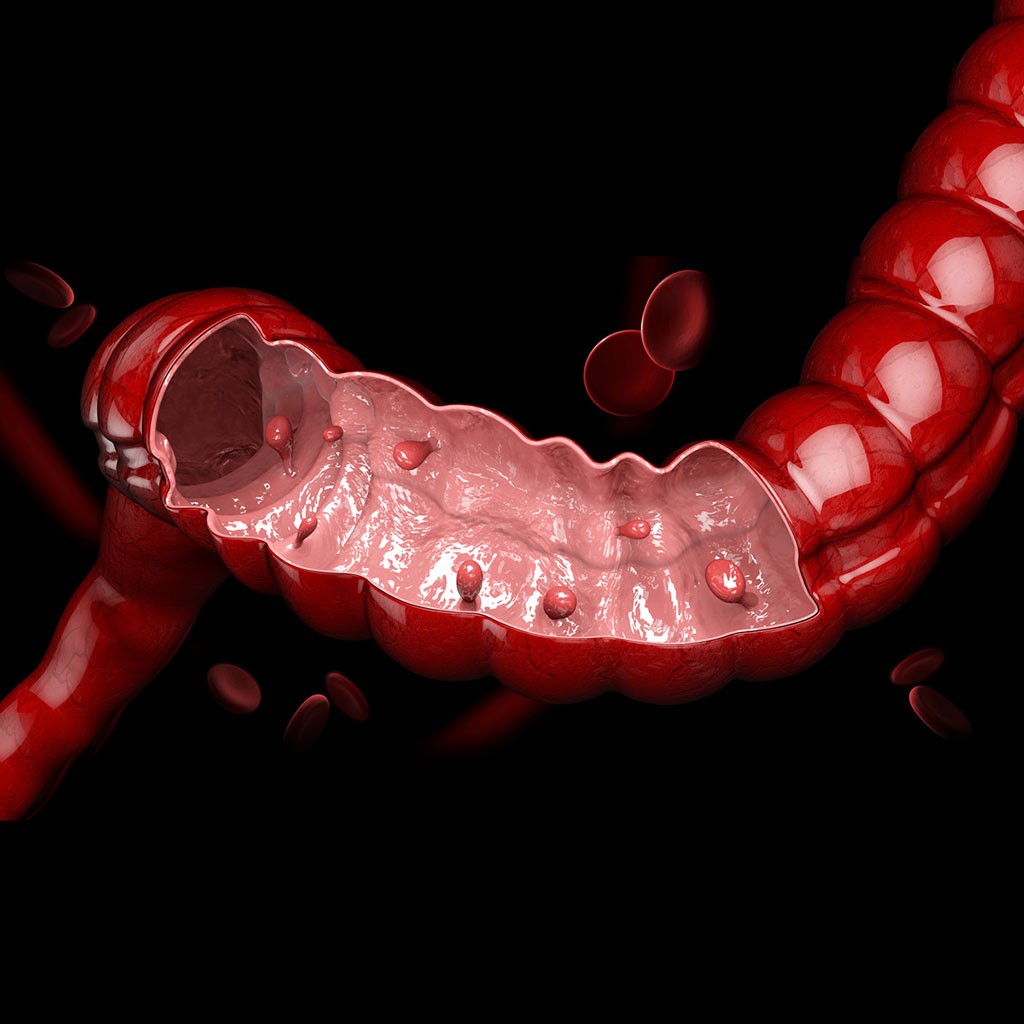
Colon polyps are growths that form on the inner lining of the colon or rectum. While most polyps are benign (non-cancerous), some can develop into colon cancer over time, which makes detecting and removing them early an important part of cancer prevention.
What Are Colon Polyps?
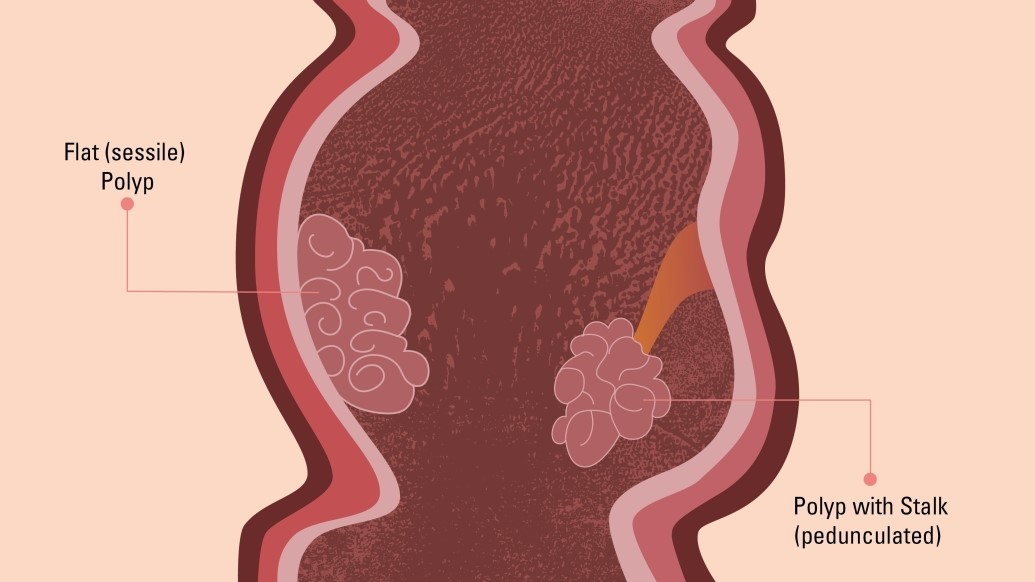
Colon polyps are abnormal tissue growths that can occur anywhere along the lining of the colon or rectum. They vary in size and shape but are generally classified into two main types:
- Sessile polyps: These polyps have a broad base and are typically flat. Because of their shape, they can be harder to remove completely.
- Pedunculated polyps: These are attached to the colon lining by a stalk, resembling a mushroom. Pedunculated polyps are often easier to remove during procedures like a colonoscopy.
Causes of Colon Polyps
While the exact cause of colon polyps isn’t fully understood, there are several factors known to increase the likelihood of developing them:
- Age: The risk of developing colon polyps increases significantly with age. Most cases are found in people over the age of 50, which is why regular screening is typically recommended starting at age 45 to 50.
- Family History: A family history of colon polyps or colon cancer raises the risk. Certain inherited genetic conditions like familial adenomatous polyposis (FAP) or Lynch syndrome can also make individuals more likely to develop polyps at a younger age.
- Diet: A diet high in red or processed meats and low in fiber may contribute to an increased risk of polyps. A balanced diet rich in fruits, vegetables, and whole grains can help reduce the risk.
- Obesity and Physical Inactivity: Being overweight or sedentary can increase the risk of developing polyps. Exercise and maintaining a healthy weight are beneficial for digestive health.
- Smoking and Alcohol: Smoking and excessive alcohol consumption both contribute to inflammation and damage to the cells in the colon, increasing the likelihood of polyp formation.
- Chronic Inflammatory Conditions: Conditions such as inflammatory bowel disease (IBD) (which includes Crohn’s disease and ulcerative colitis) cause long-term inflammation in the colon and increase the risk of polyps.
- Type 2 Diabetes: People with type 2 diabetes may have a higher risk of developing polyps, possibly due to the insulin resistance associated with the condition.
Symptoms of Colon Polyps
Most colon polyps do not cause noticeable symptoms, especially in the early stages. That’s one of the reasons why routine screenings are so important — they can detect polyps before they cause any harm. However, if a polyp is large or begins to bleed, it may trigger certain symptoms:
- Rectal bleeding: This is the most common symptom associated with colon polyps. You might notice bright red blood on toilet paper or in the toilet bowl.
- Changes in bowel habits: This may include diarrhea, constipation, or narrowing of the stool. If these changes persist, it’s worth seeing a healthcare provider.
- Abdominal pain or discomfort: Larger polyps may cause bloating, cramping, or general discomfort in the abdomen.
- Iron deficiency anemia: Chronic bleeding from polyps can lead to anemia, which might cause fatigue, weakness, and pale skin.
- Mucus discharge: In some cases, polyps may produce mucus, leading to irritation or discomfort.
Polyps and Colon Cancer: The Connection
The biggest concern with colon polyps is their potential to develop into colon cancer. While most polyps are benign, certain types — particularly adenomatous polyps — have the potential to become cancerous. It is estimated that about 5-10% of adenomatous polyps may eventually turn into colon cancer if not removed.
The process by which a polyp becomes cancerous is slow and typically takes years. It begins when genetic mutations in the cells of the polyp cause them to grow uncontrollably. Over time, these cells may develop dysplasia (abnormal cell growth), which can progress to cancer. If not caught early, cancerous polyps can spread to other parts of the body, making treatment more complex.
The risk of a polyp turning cancerous depends on several factors:
- Size: Larger polyps (over 1 cm in diameter) are more likely to become cancerous.
- Type: Certain types, such as villous adenomas, are more likely to become cancerous than others.
- Dysplasia: If a polyp shows signs of dysplasia (abnormal cells), it has a higher risk of turning into cancer.
This is why early detection and removal are critical.
Screening for Colon Polyps
Because colon polyps often don’t cause symptoms until they are quite large or have become cancerous, screening is the key to catching them early. The most common screening method is a colonoscopy, during which a flexible tube with a camera is inserted into the rectum to examine the entire colon. If polyps are found, they can often be removed during the same procedure, and the tissue can be sent to a lab for biopsy.
Other screening methods include:
- Sigmoidoscopy: Similar to a colonoscopy but only examines the lower part of the colon.
- Fecal occult blood tests (FOBT) and fecal immunochemical tests (FIT): These tests detect hidden blood in the stool, which may be a sign of polyps or cancer.
- CT colonography (virtual colonoscopy): A non-invasive imaging test that produces 3D images of the colon. If polyps are found, a follow-up colonoscopy may be required for removal.
- Stool DNA tests: These tests check for abnormal DNA in stool samples, which could indicate the presence of colon cancer or polyps.
Treatment and Removal of Colon Polyps
If polyps are detected, the primary treatment is to remove them. Most polyps can be removed during a colonoscopy using one of the following methods:
- Polypectomy: A wire loop is used to snare and remove small polyps.
- Endoscopic mucosal resection (EMR): This technique is used for larger or flatter polyps, where a special tool is used to lift the polyp away from the colon wall for easier removal.
- Surgical removal: If a polyp is too large or difficult to remove during a colonoscopy, surgery may be required to remove part of the colon.
Once removed, polyps are typically sent for biopsy to determine whether they are cancerous or have any precancerous characteristics. If cancer is detected, additional treatments such as chemotherapy, radiation, or surgery may be necessary.
Preventing Colon Polyps
While you can't completely eliminate the risk of developing colon polyps, there are steps you can take to lower your chances:
- Eat a healthy diet: A diet high in fiber (fruits, vegetables, and whole grains) and low in red and processed meats can reduce the risk.
- Exercise regularly: Physical activity promotes healthy digestion and may help prevent the development of polyps.
- Limit alcohol and avoid smoking: Both smoking and excessive drinking increase the risk of colon polyps and cancer.
- Get screened regularly: Regular screenings are the best way to catch polyps early, especially if you're at higher risk due to family history or other factors.
Conclusion
Colon polyps are a common occurrence, and while many are benign, some can develop into colon cancer. Early detection through regular screening is the best way to catch polyps before they become cancerous. If you’re over the age of 45, or if you have risk factors like a family history of colon cancer, talk to your doctor about when to start screening and how often you should be checked.
By adopting healthy lifestyle habits and getting regular screenings, you can reduce your risk of developing polyps and colon cancer. If you have any concerns or symptoms, it’s important to consult with a healthcare professional for further evaluation.
Halcyon Objective
Quality and Safety is our foremost priority, and we aim to be a national leader in providing each patient with the safest, most compassionate, and highest quality of care. To support this, the facility has developed quality and safety policies, procedures, and best practices through organizational structures and processes, data systems and analytics, and other communication mechanisms.
Mission
To strive to keep up with the global trends in the healthcare industry and be at the forefront in delivering the latest innovative technology in relation to Gastro & Hepatobiliary in East and Central Africa.
We do things differently
Our approach is patient centered healthcare. Say goodbye to long lines & hard to get appointments with us today!